



Today, the Bradford House Museum in downtown Washington is a sort of "bookmark" in time, transporting visitors back to America directly after the Revolutionary War. Its stone walls, flourishing 18th-century garden, magnificent mahogany staircase and expensive furnishings make it a showpiece even now in the modern age and an everlasting symbol of the spirit of our nation. But it wasn't always this way. Read on to know even more about the history and extensive restoration of this 200-year-old Washington County icon.
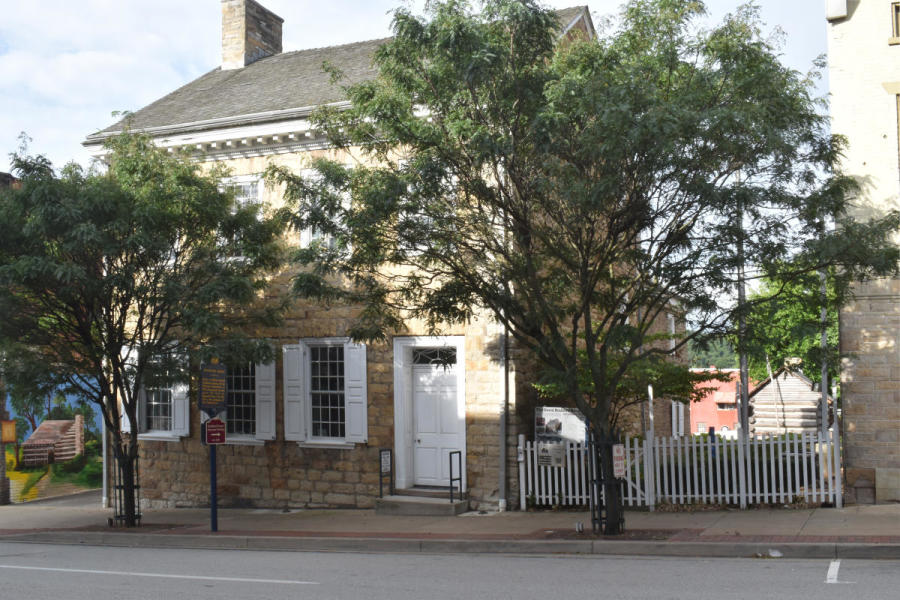
In the early 1900s, the once-grand Bradford House was in a sorry state of disrepair. The former home of famed Whiskey Rebellion leader David Bradford was described by architect and historian Charles Morse Stotz as “so changed and disfigured by alterations of the 19th century as to be virtually unrecognizable as one of the distinguished early houses of Western Pennsylvania.”
Stotz was so appalled by the changes to the home – the most damage incurred by the addition of a furniture and coffin storefront, among other inhabitants over the years – that he omitted it from his book The Early Architecture of Western Pennsylvania. He hardly forgot about the home, however, returning to direct its restoration 30 years later after the Pennsylvania Historical and Museum Commission assumed control in 1959.
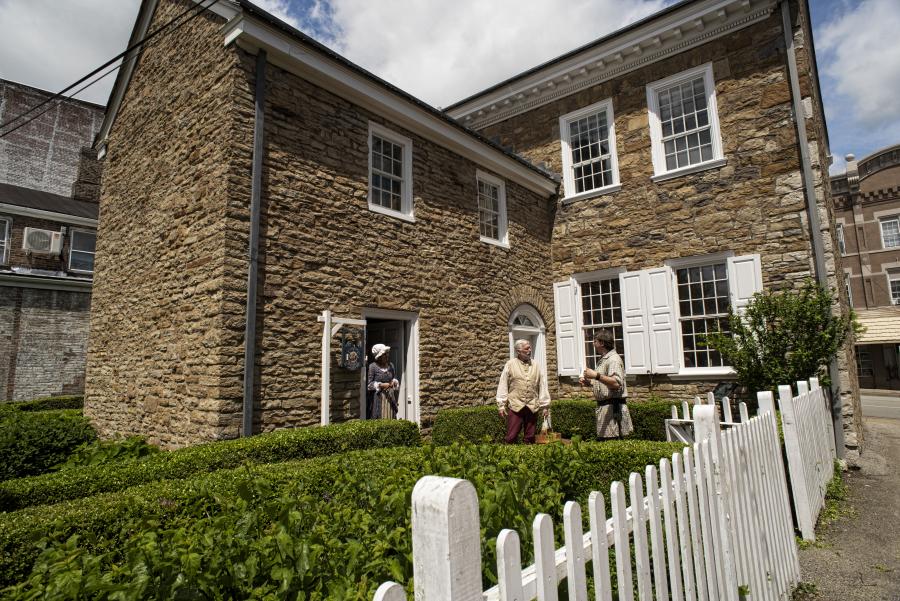
The stone house - once the largest in downtown Washington - was home to David Bradford, known for his role as a leader of the 1791-1794 Whiskey Rebellion, an uprising of farmers against the excise tax placed on corn, rye and wheat by Treasury Secretary Alexander Hamilton to create a source of revenue for the nation following the Revolutionary War. Bradford and his family fled the home for a plantation in St. Francisville, Louisiana (which, by the way, was at one point regarded as one of the most haunted places in the country) after an a warrant was issued for his arrest, only returning to Washington County to sell the home after being pardoned for his role in the rebellion.
The Bradford House was fully restored as it was upon its construction in 1788 alongside an original well and a reconstructed outdoor kitchen, with furnishings and decor reflecting Bradford’s standing in society as a prominent attorney and businessman prior to his involvement in the Whiskey Rebellion.
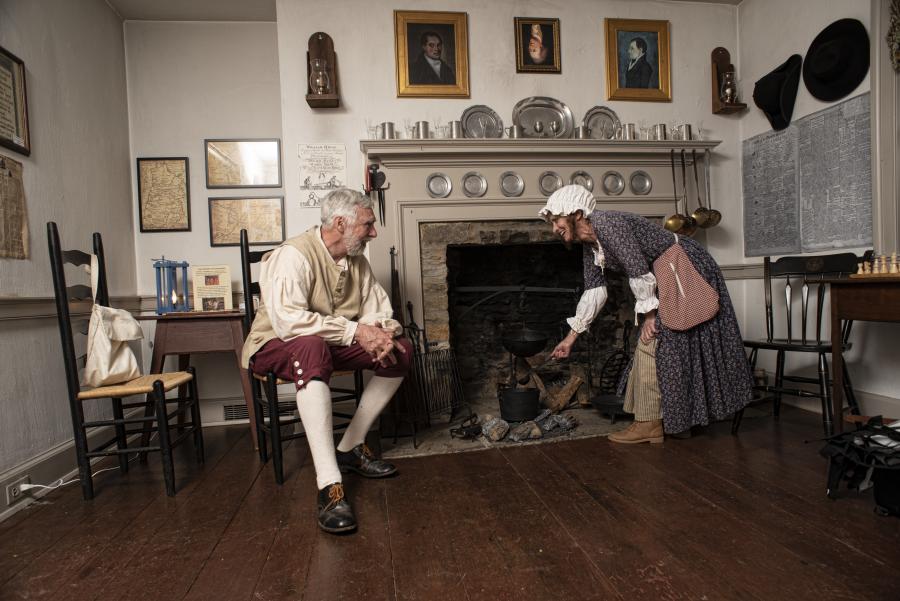
Though Bradford only occupied the home from 1788 to 1794, it is still seen as a prominent symbol of the Whiskey Rebellion, as well as being a looking glass back into what life was like in the United States immediately following the Revolutionary War. It was officially established as a museum in 1965 and was listed on the National Register of Historic Places in 1973 and declared a National Historic Landmark in 1983.
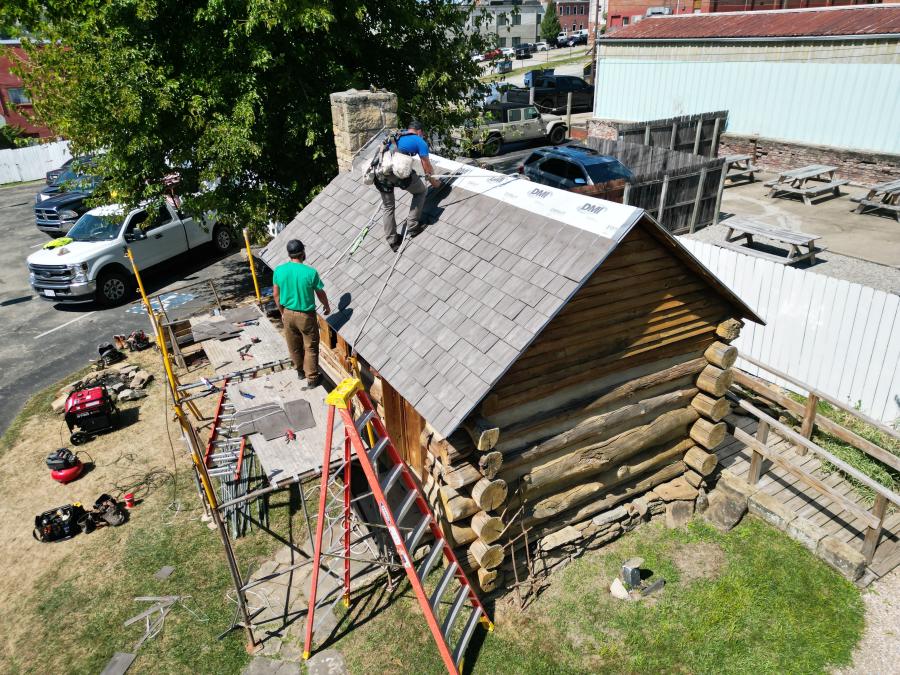
Restoration work of historic homes such as the Bradford House, like with paintings and other historical artifacts, is an ongoing process. In addition to recent work completed in the home's outdoor kitchen and garden, the home and other on-property structures are getting an all-new roof courtesy of a grant from the Washington County Tourism Promotion Agency. The work on the Bradford House itself, garden shed, outdoor kitchen cabin and well will be completed well before anniversary celebrations kick off.
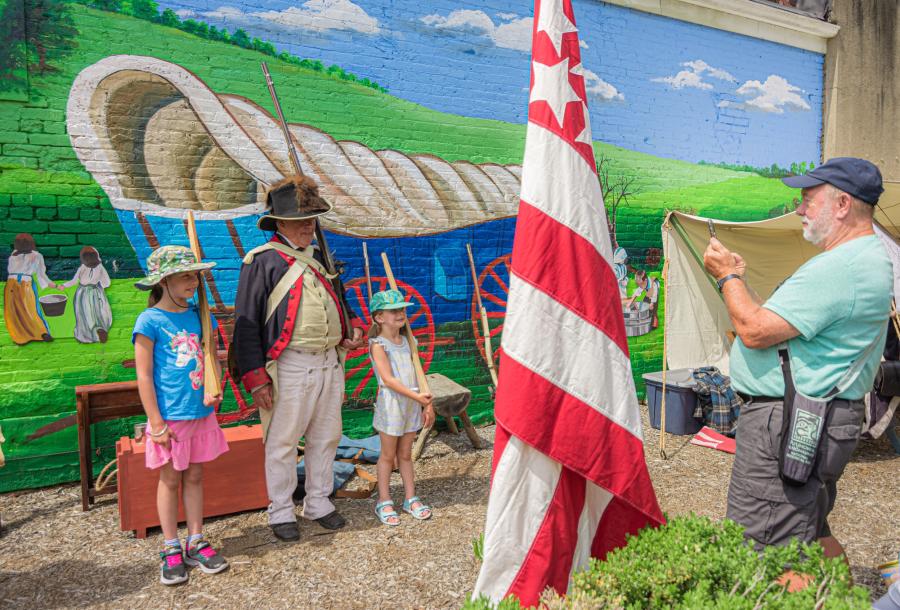
The Bradford House is hosting a 60th anniversary celebration on September 14 that will include walk-through tours by docents, cooking demonstrations in the kitchen cabin, music and light refreshments. The celebration is free to the public, so if you’ve never visited this key piece of Washington County history, September 14’s event is a great opportunity to do so for free.

